
Starting a Beehive Is Easier Than You Think—If You Know This
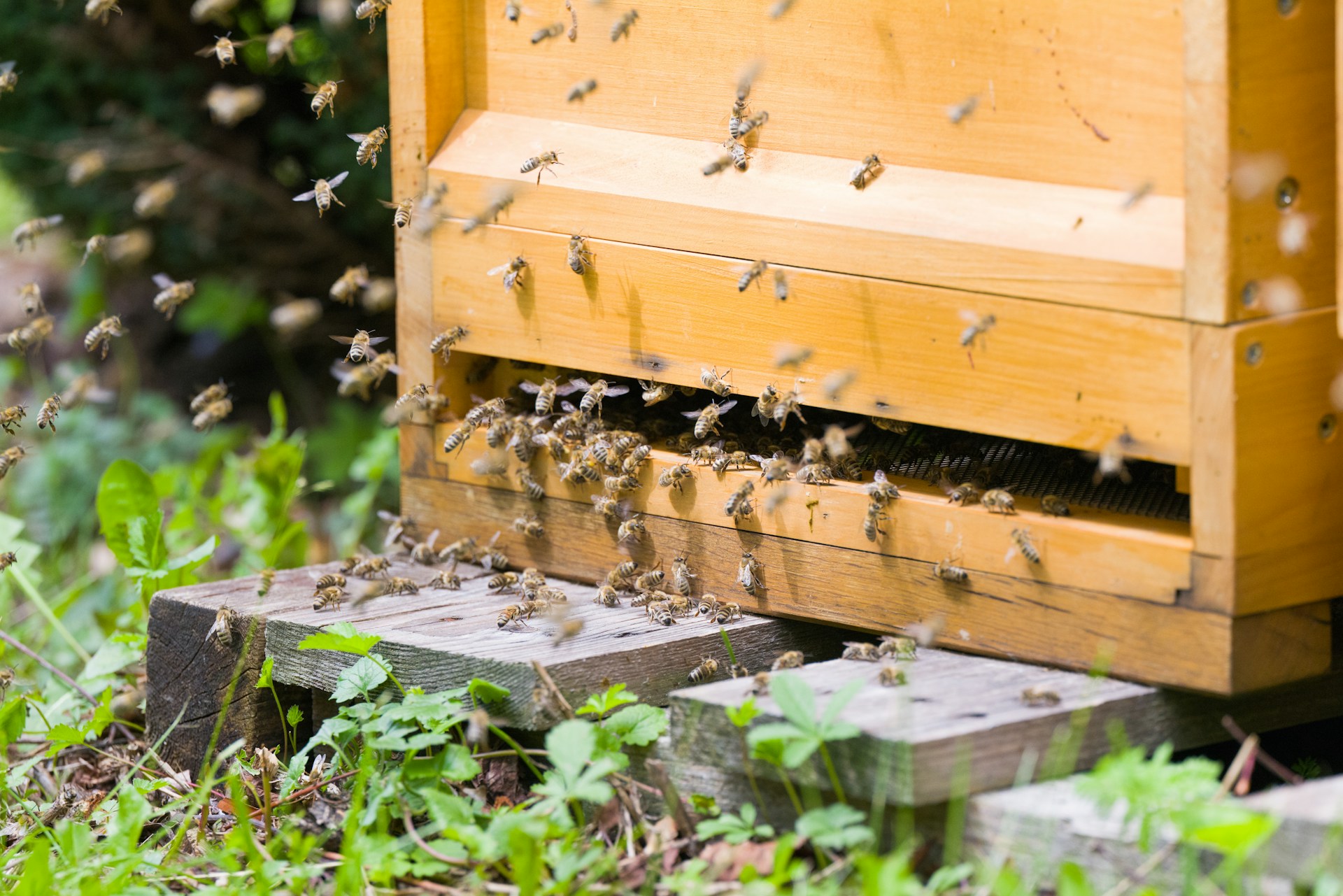
Starting a beehive sounds like something only mountain hermits or old farmers do. Then you meet someone with two hives in their backyard pulling jars of golden honey like a magician at a breakfast buffet. A lot of beginners jump in faster after checking out Imkereibedarf because the right gear saves people from rookie mistakes.
Your First Hive Location Matters More Than Fancy Equipment

Bees are smart little workers, but they still need a decent setup from day one. One bad decision can turn your hive into a buzzing soap opera. People obsess over gadgets before they even place the hive. Meanwhile, the bees are sitting in a windy corner getting blasted like a plastic bag in a storm. Pick a calm spot with morning sunlight and some afternoon shade. Your bees wake up earlier and stay more active during cooler mornings. Water nearby also helps more than most beginners realize. Bees travel far, but they waste energy hunting for water every day. A shallow tray with stones works surprisingly well. Keep the hive away from heavy foot traffic, too. Nobody enjoys surprise bee encounters during a barbecue.
Cheap Gear Usually Creates Expensive Problems Later
A bargain smoker sounds great until it stops working mid-inspection. Then suddenly you are sweating like a contestant on a cooking game show while angry bees circle your face. Good tools last longer and feel easier to use. That matters after standing outside in the summer heat for an hour. Protective clothing also changes the whole experience. Beginners stay calmer when they are not panicking about stings every thirty seconds. Thick gloves help during the first months. After gaining confidence, many beekeepers switch to lighter gear for better movement.
Healthy Bees Start With Small Weekly Habits

Most hive disasters happen slowly. New keepers often ignore tiny warning signs because the colony still looks busy. Then one afternoon, the hive collapses faster than a folding lawn chair. Quick weekly inspections help catch problems early. Check brood patterns, food stores, and bee activity around the entrance. Feeding also matters during rough weather periods. Heavy rain or cold weather reduces flower access. Hungry colonies become weak colonies. Bees cannot survive on optimism and sunshine alone. A little sugar syrup at the right moment can stabilize the hive before things spiral.
Weather Can Flip Hive Conditions Overnight
One hot afternoon can turn a hive into a sauna. Bees start clustering outside like concert fans waiting for doors to open. Ventilation matters more during summer than many people expect. A well-placed upper entrance helps heat escape naturally. Rain creates different headaches altogether. Moisture inside the hive damages brood and encourages mold growth. Tilt the hive slightly forward so water drains away. It is a tiny adjustment, but bees benefit massively from it. Dry bees behave better than soggy bees.
Why Good Beekeeping Supplies Make Beekeeping Less Stressful

Starting with dependable supplies removes half the confusion. Frames fit correctly, smokers stay lit longer, and inspections feel smoother. New beekeepers already juggle enough information without wrestling faulty equipment. Reliable gear creates fewer interruptions during hive work. Quality supplies also help people stick with the hobby longer. Many quit because early problems feel overwhelming. A stable setup gives beginners confidence while they learn seasonal hive behavior. Even experienced keepers still get surprised sometimes.…


